What is Baklava? | Origin, Recipe and Taste Guide
What is baklava? And why has it become one of the most famous desserts across the Middle East, Mediterranean, and beyond?
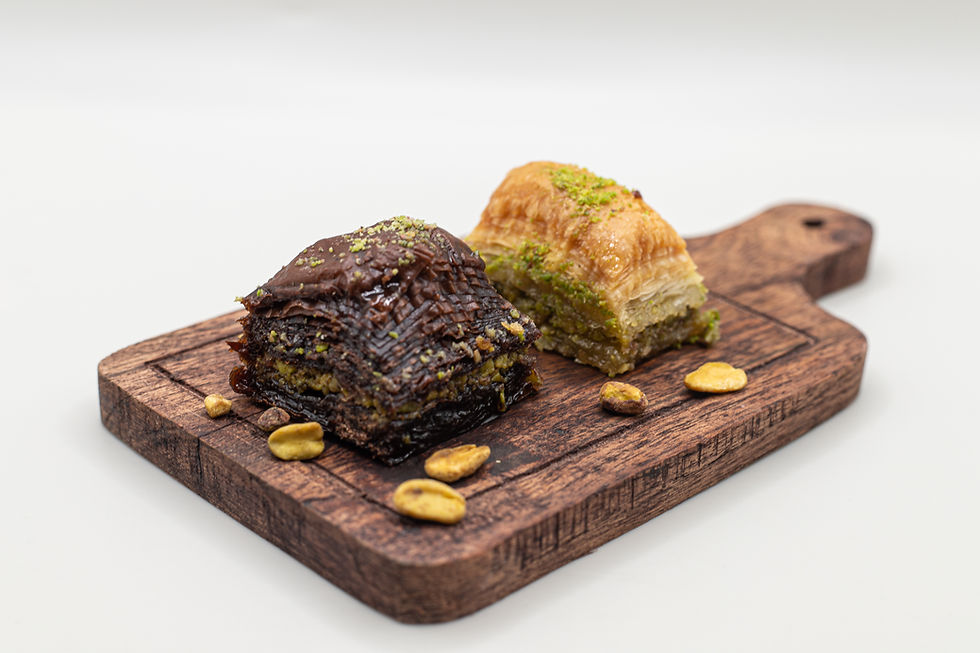
Baklava is a layered pastry dessert made from delicate sheets of phyllo dough, finely chopped nuts, butter, with a sweet syrup or honey mixture poured over the top after baking. The result is crisp, flaky layers balanced with rich nuts and fragrant sweetness. Today, baklava appears in bakeries and homes from Turkey and Greece to the Levant and North Africa, and it has become a beloved dessert worldwide.
At places like Food Land Market in Boise, baklava is often served alongside strong Turkish coffee or enjoyed as a sweet ending to a Mediterranean meal, and its story stretches back centuries and spans several cultures.
The Long History of Baklava
The history behind the question “what is baklava?” leads to one of the most debated culinary stories in the Mediterranean.
Many historians trace the modern form of baklava to the kitchens of the Ottoman Empire, particularly in Istanbul during the 15th century. Palace chefs perfected the layering of thin pastry sheets with nuts and syrup, creating the dessert we recognize today.
However, earlier versions of layered pastries may have existed long before that. Some food historians point to ancient Roman and Byzantine desserts made with nuts and honey between layers of dough. These early recipes likely evolved over centuries, as the technique of rolling ultra-thin dough developed in Anatolia and the Middle East.
By the time the Ottoman Empire spread across southeastern Europe and the Middle East, baklava had already become a symbol of celebration and hospitality.
In fact, in Ottoman times there was even a ceremonial event known as the Baklava Procession, when trays of baklava were distributed to elite soldiers during Ramadan.
Which Country “Owns” Baklava?
One reason baklava is so famous is because many cultures claim it as their own.
The truth is that baklava belongs to a shared culinary tradition across the Eastern Mediterranean and Middle East. As the Ottoman Empire expanded, the dessert traveled with it and evolved in different regions.
Today baklava is commonly associated with:
Turkey
Greece
Lebanon
Syria
Armenia
Jordan
Palestine
Each culture prepares it slightly differently, using regional ingredients and flavors.
Because of this shared heritage, baklava is less about national ownership and more about centuries of cultural exchange across the Mediterranean.
What Does Baklava Taste Like?
So now you’re wondering “what is baklava like?”, and the best way to describe it is a balance of textures and sweetness.
Good baklava typically has:
Crispy, flaky layers of phyllo pastry
Buttery richness between the sheets
Crunchy nuts such as pistachios or walnuts
Aromatic syrup made with honey, sugar, or rose water
The sweetness should complement the pastry rather than overwhelm it. The best baklava is light, fragrant, and delicately crisp rather than sticky or heavy.
This balance is one reason baklava pairs so well with strong Turkish coffee or tea.
Regional Differences in Baklava
As with most long-standing recipes, you’ll find different versions of baklava depending on which region is making it.
Each family, neighborhood, city and country has their own style, but we can summarize like this:
Region | Typical Nuts | Flavor Notes |
Turkey | Pistachios | Often lighter syrup and very fine layers |
Greece | Walnuts | Syrup may include cinnamon or cloves |
Lebanon | Pistachios or mixed nuts | Sometimes flavored with rose or orange blossom water |
Armenia | Walnuts | Often includes warm spices |
Despite these differences, the core elements remain the same: thin pastry, nuts, butter, and syrup.
How Baklava Became World Famous
For centuries, baklava remained largely regional. But as immigration spread Middle Eastern and Mediterranean cuisine across the globe, the dessert gained international popularity.
Restaurants and bakeries introduced baklava to new audiences, especially in cities with vibrant immigrant communities. Today, baklava can be found in bakeries from New York to Paris to Sydney.
Its rise in popularity is closely tied to the growing appreciation for Middle Eastern cuisine worldwide. And while the dessert may have global reach today, it still carries the tradition of hospitality and celebration that made it special centuries ago.
How to Serve Baklava
Baklava is usually served in small diamond or square pieces because it is rich and sweet.
Common ways to enjoy baklava include:
With Turkish coffee
Alongside mint tea
After a Mediterranean meal
As part of a dessert platter
During holidays and celebrations
Because of its layered structure and syrup glaze, baklava keeps well and can be stored for several days at room temperature.
Pistachio Baklava Recipe
Below is a simple pistachio baklava recipe inspired by traditional Middle Eastern methods.
Ingredients
For the pastry:
1 package phyllo dough (about 16 oz)
2 cups finely chopped pistachios
1 cup unsalted butter, melted
For the syrup:
1 cup sugar
1 cup water
½ cup honey
1 teaspoon lemon juice
1 teaspoon orange blossom water (optional)
Instructions
1. Prepare the syrup
In a saucepan, combine sugar and water. Bring to a simmer and cook for about 5 minutes. Stir in honey and lemon juice. Remove from heat and allow to cool.
2. Prepare the baking dish
Preheat the oven to 350°F. Brush a 9×13 inch baking dish with melted butter.
3. Layer the phyllo
Place one sheet of phyllo dough into the dish and brush lightly with butter. Repeat with 6–8 sheets.
4. Add the pistachios
Spread a thin layer of chopped pistachios evenly across the dough.
5. Continue layering
Add two sheets of buttered phyllo, then another layer of pistachios. Continue this pattern until ingredients are used.
6. Cut before baking
Using a sharp knife, cut the baklava into diamond or square shapes.
7. Bake
Bake for about 40–45 minutes until golden and crisp.
8. Add syrup
Immediately pour the cooled syrup evenly over the hot baklava. Let it rest several hours before serving.
Why Baklava Remains a Cultural Favorite
Baklava is more than a dessert. It represents centuries of culinary tradition shared across cultures.
From Ottoman palace kitchens to modern cafés and markets, baklava continues to symbolize hospitality, celebration, and craftsmanship. Its delicate layers and rich flavors reflect the care and patience that have defined Middle Eastern desserts for generations.
And whether you enjoy it in Istanbul, Beirut, Athens, or right here in Boise, baklava remains one of the most recognizable sweets in the world.
FAQs
What is baklava made of?
Baklava is made from phyllo dough, butter, nuts (often pistachios or walnuts), and a sweet syrup made from sugar or honey.
Is baklava Turkish or Greek?
Baklava is part of a shared culinary tradition across the Ottoman Empire. Both Turkey and Greece have strong historical ties to the dessert.
What nuts are traditionally used in baklava?
Pistachios and walnuts are the most common, though almonds are also used in some regions.
Why is baklava cut before baking?
Cutting the pastry before baking allows the syrup to soak evenly through each piece.
Does baklava need to be refrigerated?
Baklava can usually be stored at room temperature for several days in an airtight container.


Comments